
5 Tips to Develop Your Own Art Style
Oct 09, 2026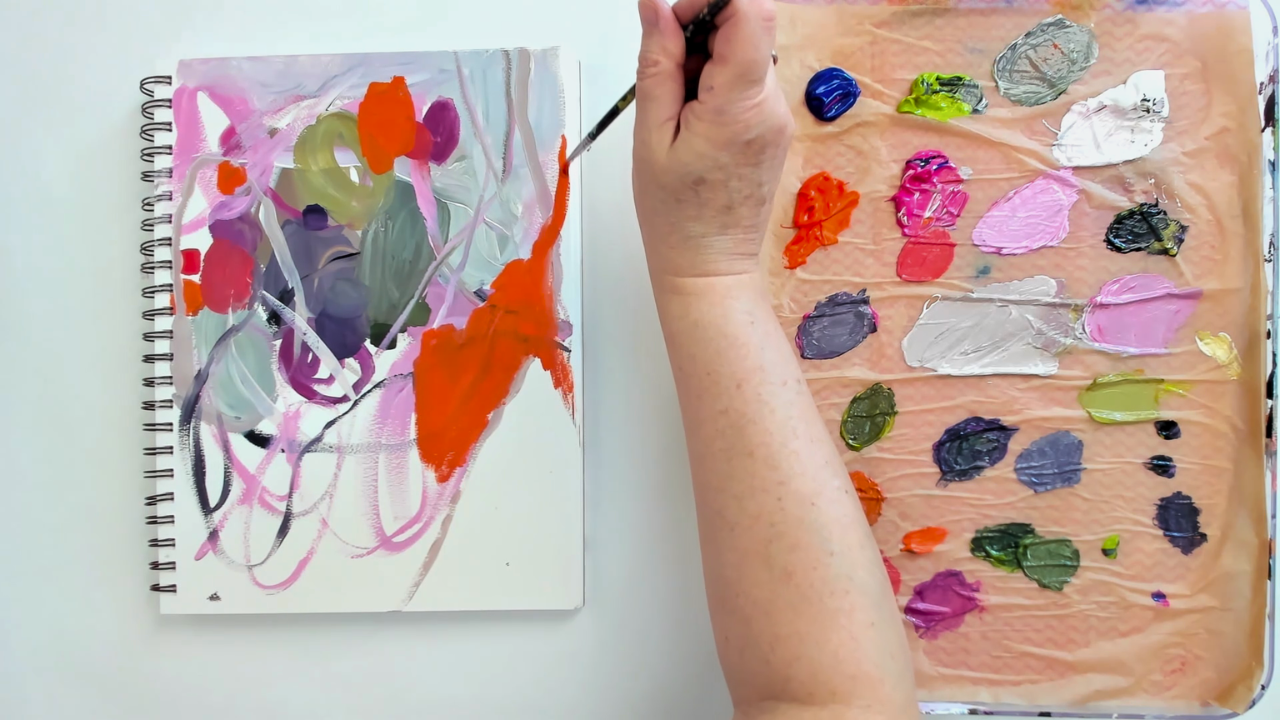
Finding your own style as an artist is hard, but it doesn't need to be.
New artists wonder how they will ever find their own voice. Experienced artists often struggle when they want to make changes in their work.
I struggled with this myself for a long time. Once I learned to stop looking outward and started paying attention to myself, things finally changed.
When you're trying to figure out your style, it is easy to look outwards.
We look at artists we admire. We worry about selling a painting before it is even finished. We try to copy every different painting style we see. We look at a painting we love and think, I wish I could paint like that.
It is normal to be inspired by other artists.
The problem is that when you spend so much time looking at what everyone else is doing, you don't actually pay attention to what you like.
Your style is not something you choose from a list of everything around you. And it is not something you suddenly "find" one day.
You uncover it by taking time to notice what works for you.
It is in the colors you keep reaching for. The brush marks that feel natural. The compositions you like. The things you keep doing without thinking about it.
To figure out what makes your work yours, you have to start paying attention to yourself.
Here are 5 things that will help you start uncovering your own style:
1. Pay attention to what you actually like
Stop painting what you think other people want to see. Look at what makes you stop and stare. Choose the tools, colors, and surfaces that make you happy, and start using them!
And, if you've been painting for a long time, you don't have to keep doing things the exact same way just because you are good at it or because people know you for it.
Sometimes we keep painting the same way because change feels uncomfortable. But being good at something and being excited by it are two different things. If something else is pulling at you, pay attention to it... even if you are not good at it yet.
2. Be inspired by other artists, but do not try to be them
Of course you can look at other artists. We all do!
If you see a painting with a cool color combination or an interesting line, take that one idea into your studio. Try it out in your own way.
See what happens when you use it. The goal isn't to live in a bubble. The goal is to let outside ideas pass through your own hands until they become part of how you work.
3. Stop worrying so much about the finished painting
This is a big one. If every single painting has to be good enough to sell, show, or post online, you just start to become too cautious.
Being too cautious stops you from learning.
You need paintings where you just experiment. Paintings where you can ask, What happens if I do this? And then you actually try it.
Maybe it turns out awful 😂
Either you decide it is not for you, or you keep going instead of giving up right away.
Maybe it is not bad... maybe you are just not used to it yet. Maybe, you're comparing something another artist has practiced for years with something you tried once. Give yourself time to learn.
4. Make enough work for patterns to show up
You can't figure out your style from one single painting.
You need repetition. The more you paint, the more you will notice things. Maybe the same type of mark keeps showing up. Maybe you keep using a certain shape or contrast.
All of these things are clues. Your style becomes much easier to see when you stop expecting one painting to give you all the answers.
5. Be ready to make things other people might not like
This is the hardest part. Eventually, you have to choose between making your art honest to yourself or making art just to please other people.
Maybe you make something you love, but you worry that your friends won't like it or that nobody will buy it.
Here is the truth: As long as you paint what you genuinely love, there will always be other people who love it too.
Do not let other people's negative reactions decide what you paint. If you always change your work to avoid judgment, you will stop yourself from growing. You might even paint right over the exact thing that makes your work special.
The answers you're looking for won't come from just one painting. And your style is allowed to change as you change.
That is the best part. 💗
Want to go a little deeper? My free Clarity Kit is a great place to start. You'll get my Clarity Checklist plus the 3-part Clarity Workshop, where I walk you through variety, value, and color and show you how to start using them in your own paintings.